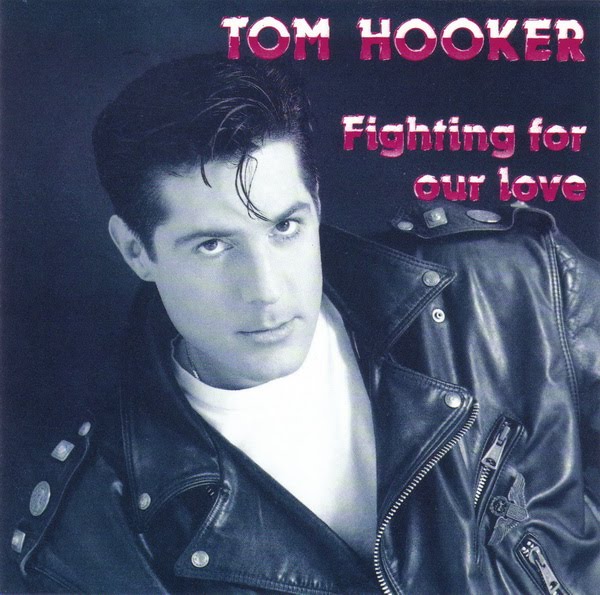
It was quite inevitable. So inevitable that now I'm considering to gather those real unique heroes from the '80s into a VOL.2 on a next Neo Italo Disco compilation. They were the real players of the real Italo Disco movement. They lived the dream and they're here to share some stardust with us. Here's the first of these interviews.We will show you the original interview in Italian. International fan can follow the interview in English here in SleepWalKing Magazine.Mark Zonda: Reeds, cosa ricordi con maggiore affetto del periodo Italo Disco?
Reeds: Innanzitutto ciao a tutti i tuoi lettori. Dopo gli anni 60 e 70 la musica degli anni 80 rappresenta l'ultimo dei movimenti musicali. L'ultimo sarebbe la house music ma non la voglio considerare in quanto completamente priva di musica reale. Avevamo tutta la nostra giovinezza ed il vento in poppa. Era un movimento sano dove era un piacere andare in discoteca, incontrarsi, trovare ragazze, ballare, bere degli ottimi cocktail.... Non c'erano finzioni, c'era meno droga e più voglia di divertirsi... Io personalmente in quel periodo dopo alcuni mesi nei quali avevo vissuto a Londra ero tornato a "casa" con tanti stimoli musicali ed una voglia di vivere e di esplodere. Musicalmente. Ricordo i primi meeting con altri colleghi nelle grandi discoteche italiane ed europee ed in seguito nei tour un grande pubblico!
Mark Zonda: Sono molto contento di trovare un artista di musica ballabile che considera come me il genere house, ancora peggio la techno, "non musica". Come siamo finiti in un periodo così musicalmente triste della musica? Sempre colpa delle droghe?Reeds: In realtà come accennato prima per quanto riguarda il mondo della musica da discoteca, la musica house e la techno hanno dominato gli anni 90 e il 2.000 devastando in maniera quasi irreversibile un "mondo discoteca", trasformando il puro divertimento in puro sballo senza limiti. Certo la droga ha influito molto, ma soprattutto ha influito ancora di più la trasformazione della società. In peggio naturalmente! Queste cose sono collegate strettamente. Una nuova società stereotipata, commerciale e senza valori non poteva che generare una musica senza valori. Non è colpa di nessuno oppure è colpa di tutti noi che ci siamo fatti trascinare? Per fortuna come vedi stiamo già tornando indietro e quindi ci stiamo riprendendo i nostri spazi vitali.
Mark Zonda: Come sei diventato un artista Italo Disco, e quali sono stati i migliori momenti del tuo progetto?Reeds: Correvo dietro al mio sogno. Ero chitarrista e cantante del mio gruppo, che seguiva un genere pop-rock internazionale. Componevo tutte le canzoni, scrivevo i testi e arrangiavo i brani con la band. Ad un concorso canoro nel Veneto sono stato notato da alcuni produttori milanesi presenti. Dopo una settimana ero già a Milano ad aspettare il mio primo disco e cercando di sopravvivere facendo il fotomodello e qualche fotoromanzo. Dopo due mesi il mio primo disco con la Discotto. S'intitolava "The Game"
Mark Zonda: Non è stata una sorta di retromarcia abbandonare la chitarra per una musica "computerizzata"?Reeds: Si e no. La mssica computerizzata "filava" dritta con l'elettronica e questa era una caratteristica della dance. Sono stati passaggi necessari. Come vedi da diversi anni la chitarra è tornata alla grande in tutto il mondo pop.
Mark Zonda: Il Festivalbar è stata una buona vetrina per promuovere gli artisti Italo Disco o altre trasmissioni di nicchia erano più ambite per il successo popolare, come ad esempio Disco Ring?Reeds: Disco Ring era più istituzionale. Un passaggio in Rai era considerato sempre decisivo per la carriera. Certo il Festivalbar era una trasmissione itinerante che scendeva nelle piazze e c'era un contatto diretto con il pubblico. Alcune tappe hanno raggiunto anche40.00 persone! E poi era un "carrozzone" che si muoveva con un sacco di colleghi...Discografici, produttori... belle donne. Veramente bello!
Mark Zonda: Ma esistevano delle groupie anche nel mondo della Italo Disco?Reeds: Sì. Una sorta di groupie esistevano anche nel mondo della disco, ma questa cosa non era così enfatizzata come negli anni 70. La grande differenza è che non ci seguivano negli spostamenti, ma le incontravamo direttamente a cadenza nei nostri concerti a seconda del territorio. I nostri spostamenti erano molto rapidi e non potevamo avere impedimenti. Si facevano anche 10 spettacoli a settimana, se consideri che i giorni della settimana sono 7 e che lavoravamo in tutta Europa e non solo...
Mark Zonda: Quanto la musica Italo Disco ha influenzato altre correnti musicali internazionali? Reeds: Direi che più che influenzato la Italo Disco ha "spazzato via" gran parte dei generi musicali, facendo concorrenza ai "mostri sacri" inglesi e americani. Una grande soddisfazione per noi italiani, finalmente esportati in tutto il mondo. Certo il movimento musicale di quel periodo era infuenzato dalle sonorità elettroniche, dalle prime batterie elettroniche....dai sequenser! La dance italiana era nata con queste caratteristiche e proponeva una filosofia più commerciale rispetto agli standard inglesi e americani.
Mark Zonda: La Italo Disco non era anche un sistema un po' furbastro per aggirare costi di produzione legati a costi di registrazione e numero di componenti di grandi band dance americane? Reeds: Mah! Non direi furbastro... E' stato il primo step, dove campionatori ed elettronica sono stati utilizzati per la prima volta nella musica commerciale. "Il movimento" richiedeva questo. Ritmica e sequenser delle tastiere dovevano esseresempre perfettamente a tempo, cosa che suonando in registrazione live non era possibile proprio per le varie sfumature umane sulla battuta... E poi le sonorità delle batterie la Linn e la Roland erano inconfondibili, come erano inconfondibili i suoni della tastiera DX7. Ricordo che comunque negli anni 80 anche il sax era uno strumento tra i preferiti, anche da me! Ora questo strumento è scomparso da tutti i generi di musica: dance, rock, commerciale... per fortuna nel jazz si è salvato! Certo in fatto di professionalità è andata molto peggio dopo con l'house e la techno. Questi si erano furbastri! Una persona da sola a casa che fa tutto con una tastiera euna cassa a 140 bpm... Avrebbero ammazzato anche un cavallo! E certamente non erano Klaus Shultze!!!
Mark Zonda: Cosa ne pensi del progetto Neo Italo Disco? Perchè c'è ancora così tanto interesse attorno a questo tipo di musica? Pensi che ci siano buone possiblità per una rivisitazione e rinasciata di questa scena o è puro revival?Reeds: In realtà la musica si ricicla naturalmente. Oggi tornano sonorità che hanno caratterizzato gli anni 80 un po' in tutto il mondo. Quello che non è possibile replicare è il "movimento", proprio perchè gli anni 80 attraversavano un momento socio-culturale molto diverso da oggi. Certo la nostalgia di quei tempi resta e quindi ci sono ancora molti gli appassionati del genere. Tecnicamente parlando nemmeno io sarei in grado di riproporre nuovi brani in stile anni 80. Molte cose sono cambiate anche per me, sia internamente sia esternamente, e vivo la musicalità secondo quello che sento, provo e vedo. Quindi puro revival, direi. C'è da dire che da un'anno sono tornato sul palco con una band completamente live e ripropongo i miei successi degli anni 80 e alcuni brani di colleghi e amici, più una nuova produzione che sto preparando.
Mark Zonda: E' bello vederti ancora attivo e pimpante! Parlaci della tua nuova impresa musicale.Reeds: Sì, è stata una sorpresa anche per me, anche se in realtà non sono mai stato fermo. C'è però una nuova carica, e da quando ho ricominciato a registrare mi è venuta anche la voglia di confrontarmi con i live. Siamo uno dei pochi gruppi che propongono una buona rivisitazione della dace anni 80 completamente dal vivo e simao in 6 sul palco. In sala registrazione stiamo lavorando ad un progetto molto rock vintage internazionale: tante chitarre e pianoforte, tanta melodia. Il gruppo si chiama "The Keys" e con me ci sono Omar B, DJ con la passione del rock-pop, e il maestro Luigi Salamon, compositore che spazia dalla classica al jazz alla dance al pop. E' un progetto molto interessante, dove ogni brano ha una potenzialità emotiva molto forte ed una comunicatività molto diretta. Entro l'anno lo finiremo. Nel frattempo rivolgo un grosso abbraccio a tutti gli appassionati della Italy Dance 80!